

Oversight: a new perspective on care

“Don’t be too dismissive of artificial intelligence,” Mikey had told me when we began our lock-in. “We’re in a new world, and AI might help.” Electronic engineering companies like his had been furloughed. Business was slack.
It did not take him long to realise that with the new shift pattern – six day weeks and six weeks on duty, a fortnight on quarantined leave – our cover would be severely reduced. "The new Chinese robots are fun but still a blind alley," he'd said, and when I contacted other techies, they concurred. But they also reassured me: “He’s correct about the new generation of Japanese electronic devices. And the Artificial Intelligence regime that Mikey’s suggesting is quite different from the American Health Care Companies. Their algorithms prioritise revenue cycle management – his active community building!”
Sam Smithers was only too pleased to give the introduction to the training session - a humorous lecture on tagging criminals - before Mikey showed us via video link how these devices worked. We planned to put sensors under mattresses to monitor sleeping patterns, alert us to falls, and reduce the need for so many night rounds. We also wanted all the residents to wear the latest trackers to monitor their heart rate, blood sugar levels, organ function, insulin delivery and activity levels.
“Meirion Court is already in the vanguard,” Mikey explained with his usual earnestness. “You have floor sensors embedded under the carpets. We can easily extend those circuits. What Artificial Intelligence could provide is structure and advice. With a cloud-based deep learning app, it could be integrated with the iPad reports that staff write when they engage residents face to face. They’d even allow remote management of prescriptions by local GP surgeries.”

In the following weeks, Meirion Court began to change in ways that even my Action Plan had not anticipated. Mikey’s AI system, integrated seamlessly into the floor sensors and iPad reports, proved more than a monitoring tool: it guarded the guardians, flagging subtle mobility shifts that frail residents were unaware of, alerting us to falls before they occurred and prompting prescription reviews just in time. The app’s nudges kept pulling us onto the right track before crises could occur.
It transformed my role as a manager, too. Given the staff’s emotional commitment and the sci-fi oversight, I could spend much less time walking the corridors. I never caught them texting on their phones: there simply wasn’t the time. What leadership required of me now was that I spend much less time in my office, so I hung up my tailored jacket and wore scrubs again. I cleaned loos and hoovered, though with the latest technology, these were much easier than at the start of my career. I took my fair share of personal care, showering and cooking. I checked deliveries and lifted the potato sacks and vegetable boxes into our quarantine area. My role altered. I was more of a hands-on care coordinator, leading by example.

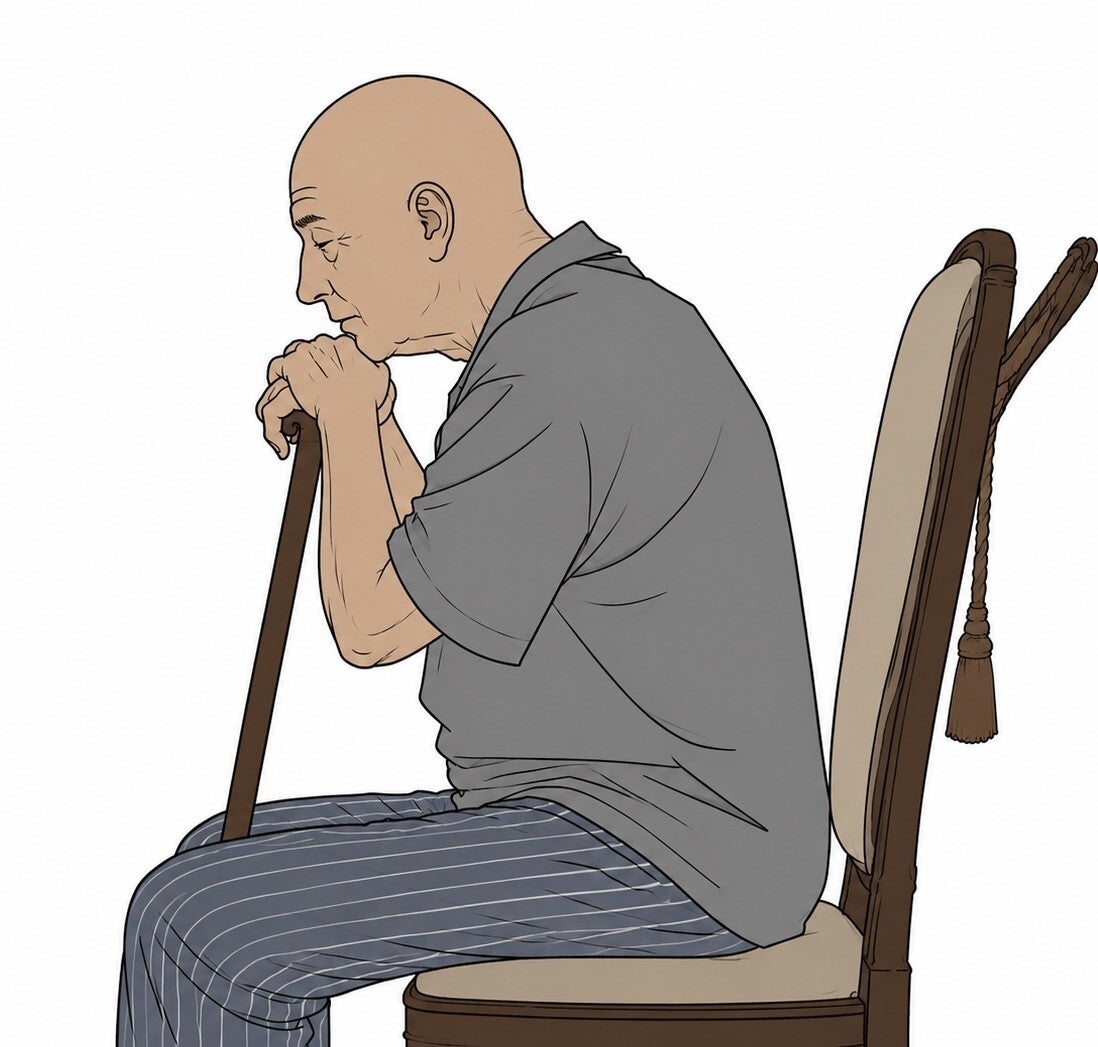
The roles of the staff shifted even more. Instead of brief visits to the residents’ rooms for medical check-ups and a chat, they focused on mitigating isolation, loneliness and anxiety. Deidre’s dementia often left her trembling and lost. AI had alerted us to small signs of her mounting distress and freed us to begin the conversation that no large language model could yet replace. One day, I found her staring at the screen on her phone, a smile on her face and tears slipping down her cheek. The call to her son had finished. AI hadn’t detected such bittersweet emotions.
I reached for her hand and asked, “What is it, Deidre?”
She sighed, her frail fingers clutching mine. “I miss my garden. I miss the sun on my face.”
Meirion Court, a searing but prophetic literary novel set to be published next month, offers a unique perspective on social care. Divided into 30 chapters, it recounts the story of an upmarket residential care facility for the elderly where staff volunteered to live with residents during Covid. This provides a valuable contribution to the debate on the possible creation of an integrated NHS and adult social care system.