

Complete isolation
Just weeks before the World Health Organisation declared Covid-19 a pandemic and set at the crossroads of public health discourse and personal choice, this chapter tackles the compelling and urgent theme of voluntary, collective isolation.
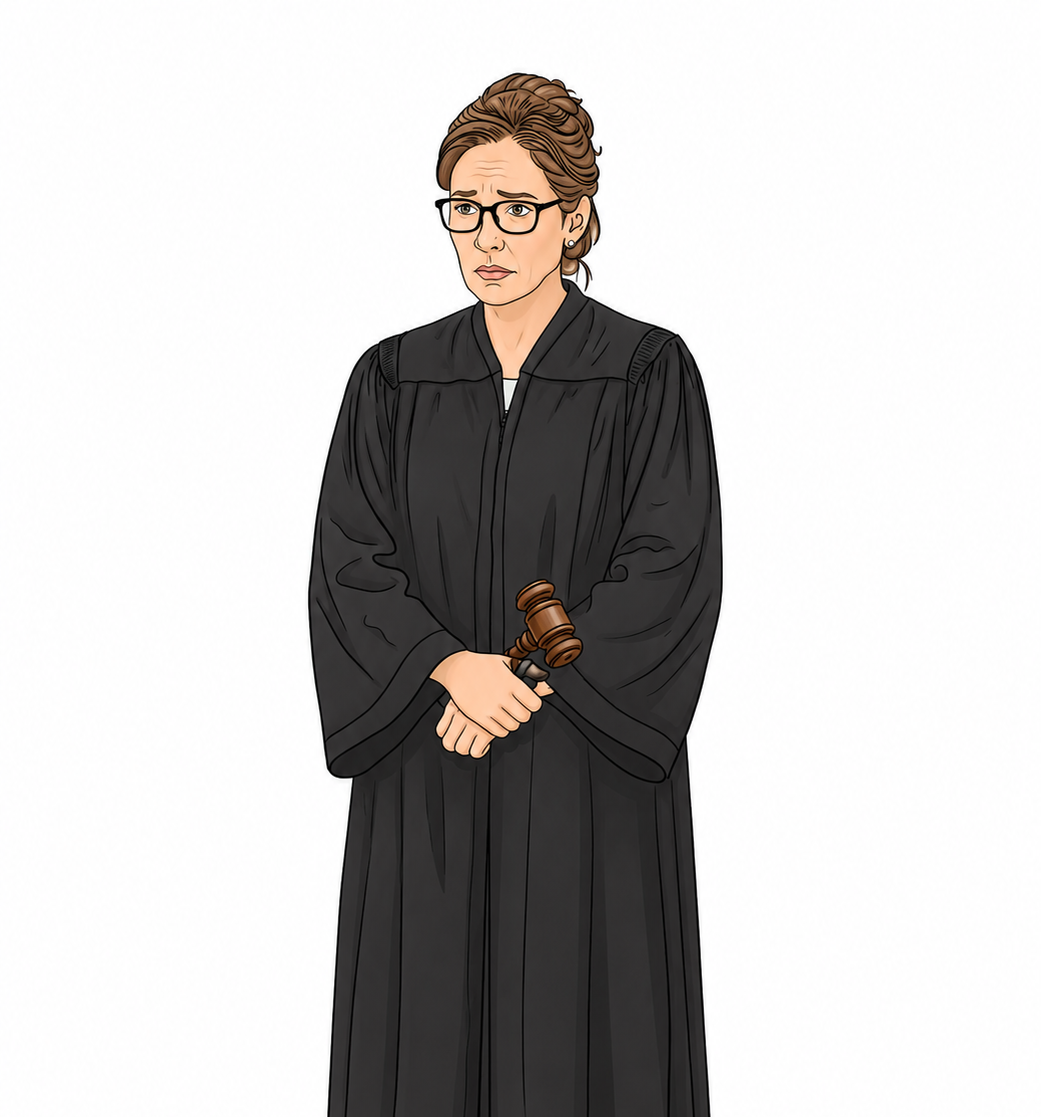
I had asked Molly to provide the summing up. Her speech was not just about consciousness raising; it was a proclamation of intent. She stood straight and elegant, her distinctive eyes sharp and intelligent. “Until a vaccine is developed,” she stated, her voice unwavering, “allowing potential carriers of the virus to cross our threshold would be an unconscionable gamble.” Each word was deliberate, punctuated by the gravity of the enormity of her proposal. “For our own survival, we have to consider complete isolation.” Her gaze swept over us, daring us to challenge her. “If you leave for hospital treatment, you cannot return.
“Any British judge is a staunch defender of personal freedoms, but I believe that in the case of pandemics,” she pressed on, “we ought to prioritise the right to life …. over individual autonomy. Our liberty needs to be subjugated to the protection of the vulnerable … However, the decision is yours!” Her voice softened slightly, the steely resolve giving way to an invitation for dialogue. The floor was open, but there were no questions.

I had asked Alba, my Spanish deputy, to speak last. She stood up hesitantly; her brow furrowed with concern. She had no notes. Hers were impromptu, informal remarks, aimed mainly at the staff. “What we want you to consider is a groundbreaking action plan for Meirion Court: trips cancelled; visits from friends and family postponed, deliveries quarantined and no face-to-face contact with the health service.
"As staff, we need to mobilise, too. It’s not just about protecting the clientele; the situation we have found ourselves confronting is about protecting the people we care for. We must ensure that our protocols are updated, that all our families understand the severity of the situation and that we build a community that will withstand complete isolation until a Covid vaccine is found.”

The implications of the speakers’ words hung in the air. Not a single resident was dozing in their chair; everyone in the room was fully alert, their faces drawn with determination. The atmosphere crackled with unspoken fears, yet a collective understanding of the stakes had coalesced. Calls to action would never prove easy in a community where personal autonomy was so central, but Molly’s wit and decisiveness overcame any lingering doubts.
Calling the meeting had been a risky proposition. “Getting them to agree to anything will be like herding cats,” I had warned Molly. At worst, I had feared hysteria, but as I scanned the room, a sense of calm returned to me. Every resident, many of whom had lived influential and complex lives, understood the urgency of our situation. “Any questions?” I asked, giving permission for the whole room to speak. No one had any reservations. No one proposed a delay.
After a lengthy and theatrical pause, Molly looked over at me and added a humorous coda. “And that means no popping out late at night to see your toy boy!”
Meirion Court is a searing but prophetic literary novel set to be published this autumn. Divided into 30 chapters, it recounts the story of an upmarket residential care facility for the elderly where staff volunteered to live with residents during Covid. It offers a unique perspective on social care and provides a valuable contribution to the debate on the possible creation of an integrated NHS and adult social care system.